
5 Relationship & Communication Skills I Learned From Horses
Nonverbal communication is, in my opinion, the most beautiful thing about horse sport. Horses and humans have been partners for over 6,000 years, and with no direct language, we are remarkably efficient in communicating complex ideas to each other. As horse girls (and boys), we take for granted how magically effective this communication is. So much of my horse-human communication skills now affects how I manage my human-human interactions. Some examples:
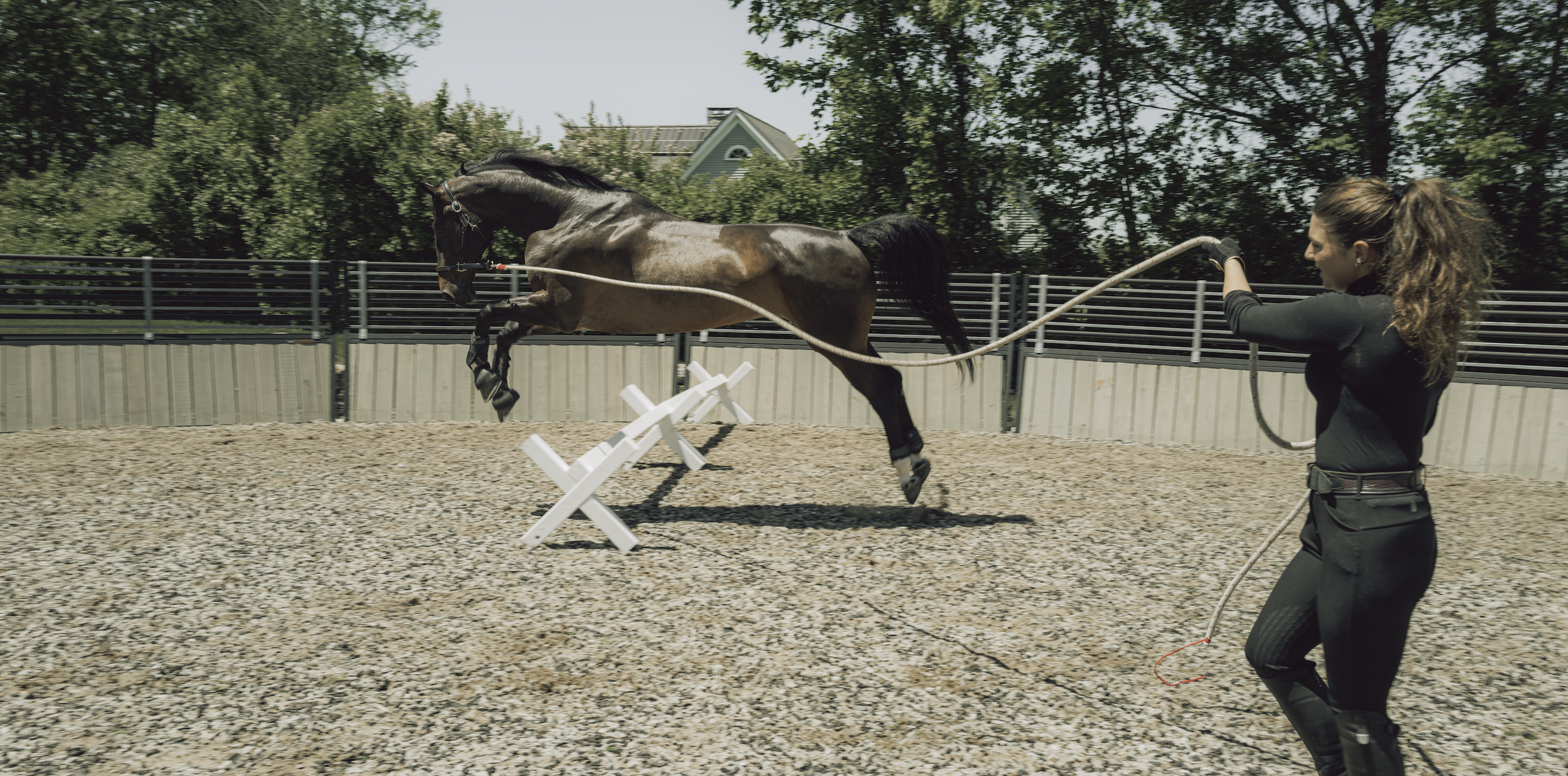
Photo by Adrien H. Tillmann (www.aht1985.com)
1. Clear is Kind
The more direct your message is, the easier it is to understand. When communicating with animals, without spoken language, clarity is of the utmost importance. Whether you are trying to encourage or discourage the horse from any one behavior, it’s imperative to be intentional and steadfast with your signaling. Simplicity is key here; it’s best to tackle one issue at a time and resolve one command before beginning another.
If you squeeze with your leg because you want the horse to move forward, but at the same time you’re pulling on the reins (signaling to slow down or stop), it’s confusing to them. Even the kindest horse will become resentful and frustrated from repeated mixed messages. When riding, this might mean refining your physical commands, learning to use your legs and arms independently of each other, and making sure your physical cues are not contradictory.
This applies similarly to humans. People hate conflicting messages. Interacting with someone who is difficult to understand is frustrating and awkward . When you’re talking to someone who is beating around the bush and talking in circles, it’s confusing and annoying and evokes upset and even hostility. To maintain healthy relationships, it’s best to be direct when articulating thoughts and feelings. Clear lines of communication make for more comfortable and effective relationships and foster trust and comfort.
Consistency is a big part of clarity….
2. Repetition Breaks Walls (actions):
With horses, whether you’re riding or handling them on the ground, there is a two-way question-and-answer exchange happening constantly. If you’re consistent in your reactions to their actions, they submit quickly. When you’re inconsistent, they find your reactions silly and confusing. Think Pavlov’s dogs. For example, a horse spooks every time you pass by a cooler on the fence, and you ignore his spook sometimes, give him a reassuring pat sometimes, and every once in a while, you spur him on to go forward when passing the cooler. The horse learns that the moment he gets shy, he’s met with an unpredictable reaction. Best-case scenario, it’s confusing; worst-case scenario, it actually heightens his anxiety/shyness. On the other hand, if you choose any one of the three possible reactions (ignore, reassure, or encourage), you can condition the horse to associate the thing they are shy about with a certain reaction from you, which creates behavior change through repetition.
Humans are the same. We gravitate towards predictability in our friendships. The human brain optimizes for efficiency and safety, preferring those who are reliable and predictable. We feel at ease when we know what to expect, and we feel unsettled when people are unpredictable and irrational. (Pro-tip for straight men: women are easily impressed by stability and consistency, it’s the primary thing that makes us feel secure and protected. On the flip side, women react poorly to inconsistency - it makes us feel unsafe and is globally unattractive.)
3. Conflict Deferred is Conflict Amplified
With horses, the best time to resolve a conflict is at the time of the conflict… and the best way to resolve a conflict is with patience and understanding. Even if it takes time and gets ugly, having those “tough conversations” (nonverbal) goes a long way towards building partnerships and long-term good behavior. Leaving a struggle unresolved lets it fester for both the horse and the rider, which can amplify the issue at a later date (conflict deferred is conflict amplified). When horse and rider are notably out of sync, often the only way out is through. Even when understanding requires a lot of time and energy, you have to do what is required. I’ve never regretted a long and hard conversation with a horse.
* I will caveat - I do not condone being physically harsh with a horse (or any living being). You will never win over a horse with aggression - they understand repetition, and they can respect your patience, but they don’t understand anger or brutality.*
With people, this is the same thing as the marriage advice of “don’t go to bed angry.” My personal belief is that if you have a personal conflict or argument, it’s best to take the time to deal with it immediately when it happens. When faced with conflict resolution, staying calm and rational is the key to success and is actually a superpower. Staying honest, above board, and open-minded is the only way to actually reach understanding in an argument. Willingness to take on conflict is not for the faint of heart, but when it’s done right, it is an incredible way to build understanding and trust with another person.
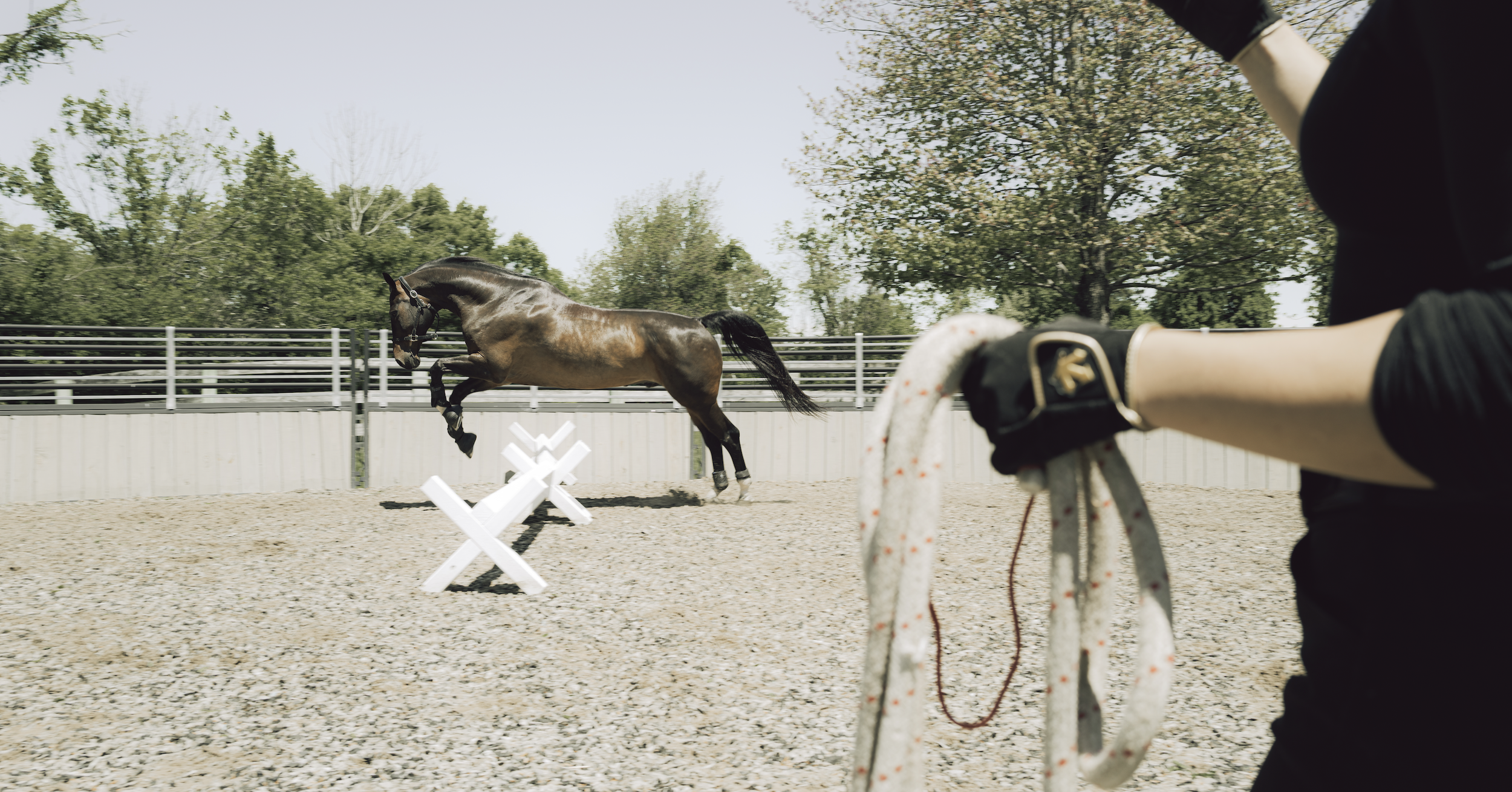
Photo by Adrien H. Tillmann (www.aht1985.com)
4. Be A Thermostat, Not a Thermometer
Energy exchange is hugely important in communication. Horses feed off of our energy, and often read our emotions better than we read our own selves. If you are reactive and volatile, your horse will mimic that. I often say horses are not only mirrors for us, but actually amplification systems. It’s important- and frankly a safety measure- to regulate your own emotions. This is a two-step process. 1.) Be honest with yourself and aware of your own emotions (for example, don’t say you’re not nervous if you are). 2.) Learn to regulate yourself. This is much easier said than done, but when you can control your energy and make sure you approach the animals with a steady positive vibe, you’ll see reciprocation.
Your “emotional temperature” creates a positive or negative feedback loop with your equine partner. If you’re nervous and scared, they will feel that and mirror it back to you, which heightens your nerves and consequently heightens theirs. If you are confident and relaxed, the horse will feed off of that and radiate confidence back to you, which will give you more reason to feel confident, and so on.
This loop is directly applicable to human interactions, especially when dealing with conflict. When emotionally mutable and reactive, you become a victim of your circumstances. In a bad conversation, you’ll be drawn into negativity, which can exacerbate the friction at hand. If you can remain calm and confident in a tough time, you can be the grounding force that creates peace. Staying level-headed in chaos can save your life in a dangerous situation, and will earn you respect and credibility in daily life. It’s an invaluable skill.
5. Healthy Boundaries Are A Safety Measure
When dealing with horses, boundaries are extremely important. We need horses to be safe to handle, which means they must be polite, respect personal space, and read our cues well. Surprisingly, these things are generally easy to teach a horse, as long as you communicate well. If you’re leading a horse and he continually runs into you, this can ultimately be dangerous if he steps on you or knocks you over. Even little things like how gently the horse takes a carrot from your hand need to be regulated - you don’t want an overzealous horse to chomp off your finger, even if they mean well. When we train horses effectively and enforce boundaries, it strengthens communication and creates a safer environment that ultimately enables us to engage with them uninhibited by fear and stress. Well-trained horses tend to be better loved and cared for because they have better relationships with their humans.
With person-to-person relations, it’s the same - setting boundaries, if done correctly, will strengthen your friendships. When you let people walk all over you, you simply can’t maintain a healthy relationship. You often see this reflected in parenting; children without rules don’t learn to follow instructions or to self-regulate. They become creatures of chaos and are uncomfortable with structure, which becomes a bigger issue when they need to take on responsibilities later in life. The same principles apply to friendships - when the people you surround yourself with are not respectful of your time, space, and energy, it’s not possible to have a great relationship. As they say, the only people who get upset about you setting boundaries are the ones who were benefiting from you having none.
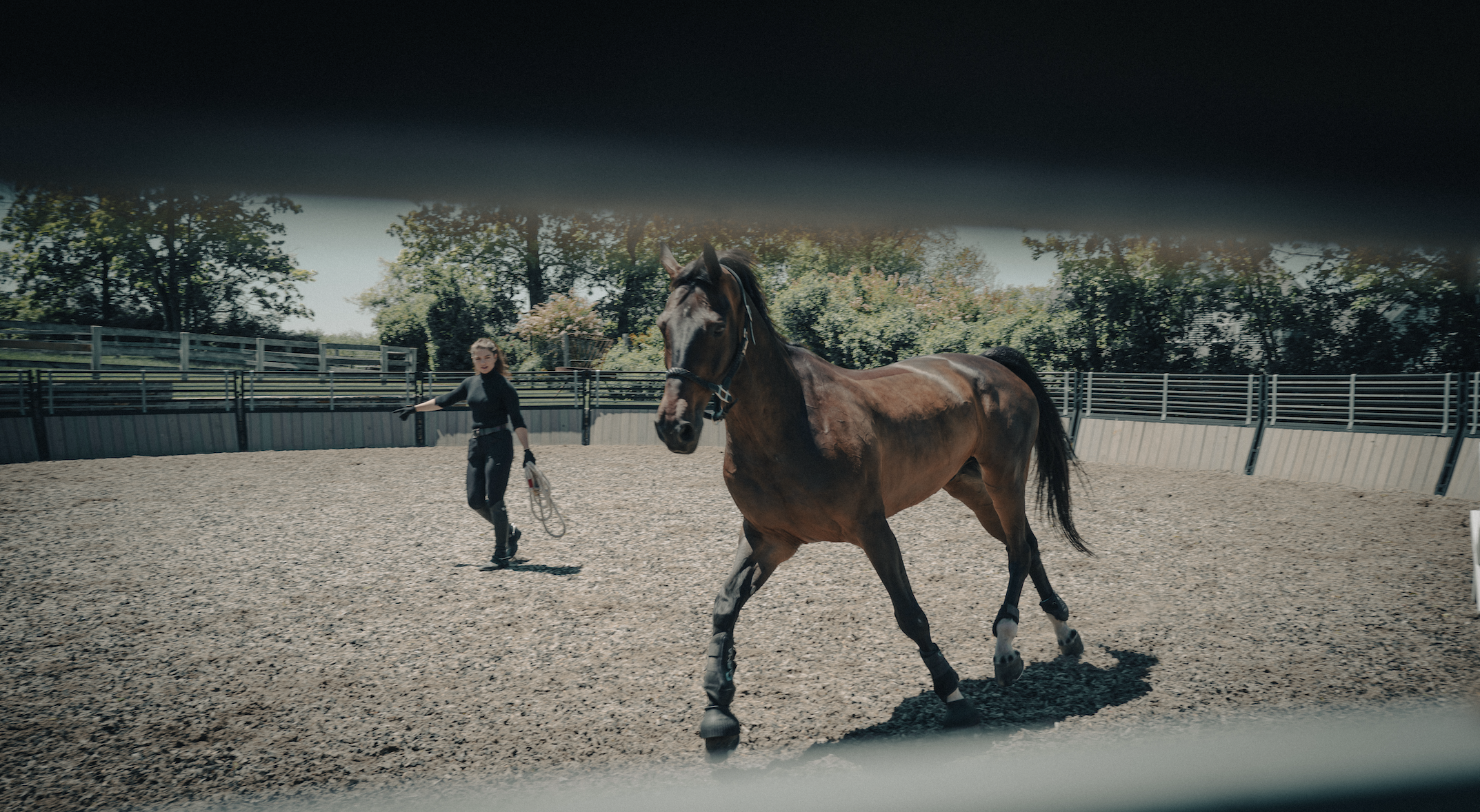
Photo by Adrien H. Tillmann (www.aht1985.com)