
10 Differences Between Showing in THE USA vs THE EU: What I Learned in 3 Months
For several reasons, I ditched my usual winter plans of competing in either Wellington, FL, or Thermal, CA, and spent the season competing in Europe instead. As a US citizen, I could legally spend 90 days in the EU, so I tried to maximize the time to gain as much “experience” as possible. I had 4 horses jumping for the season, and we showed in Valencia, Spain; Gorla Minore, Italy; and Arezzo, Italy. On top of that, I was able to build in a couple of short trips to France and Holland to see the farms and horses of my friends there. A lot of travel, a lot of riding, and a lot of learning!
I’m writing from the plane back home to the USA, which feels like a good time to reflect / take inventory of the last 3 months. In some sense, horses and horse shows and farms and people are all the same everywhere you go… but in many way the sport feels completely different on the other side of the ocean.
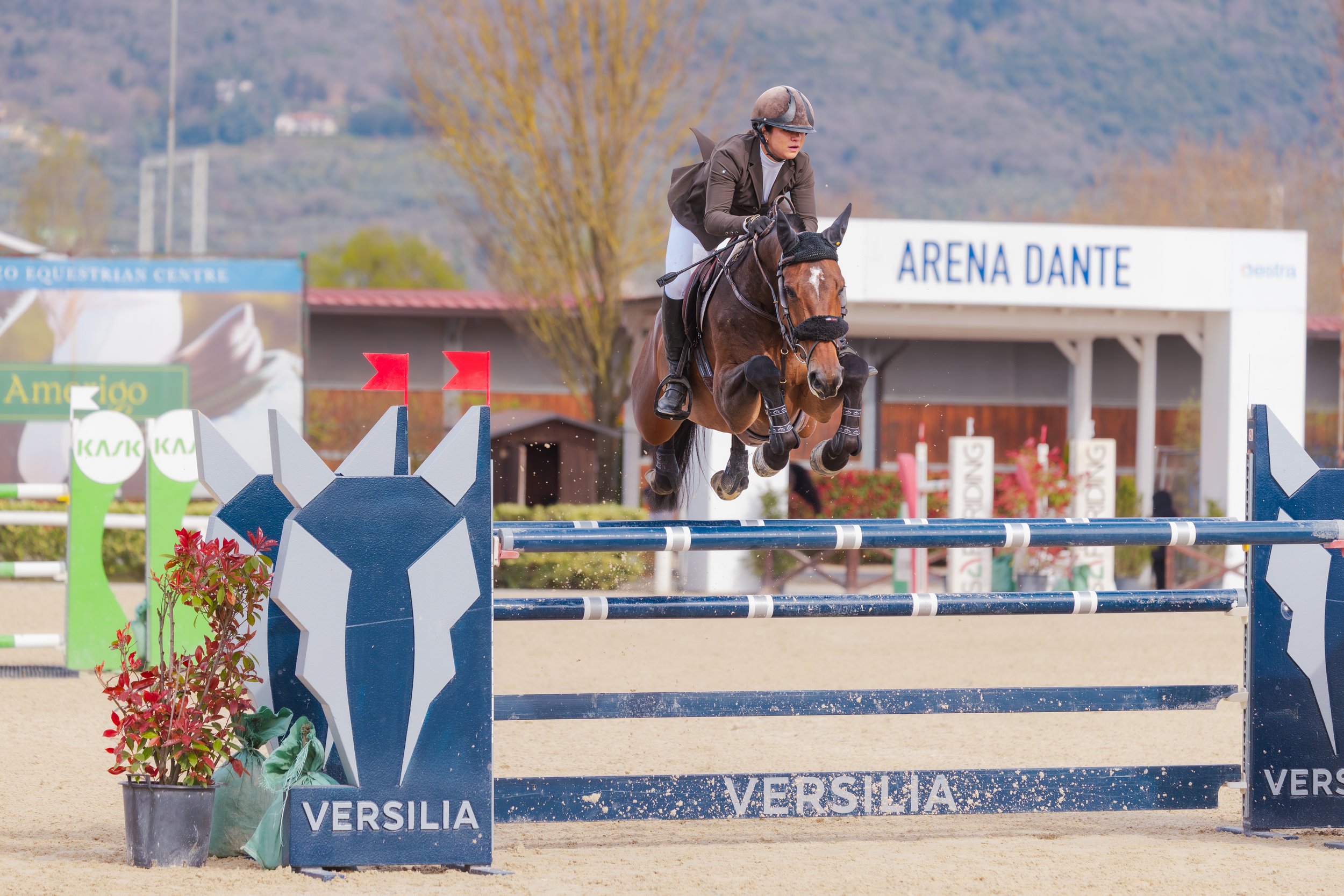

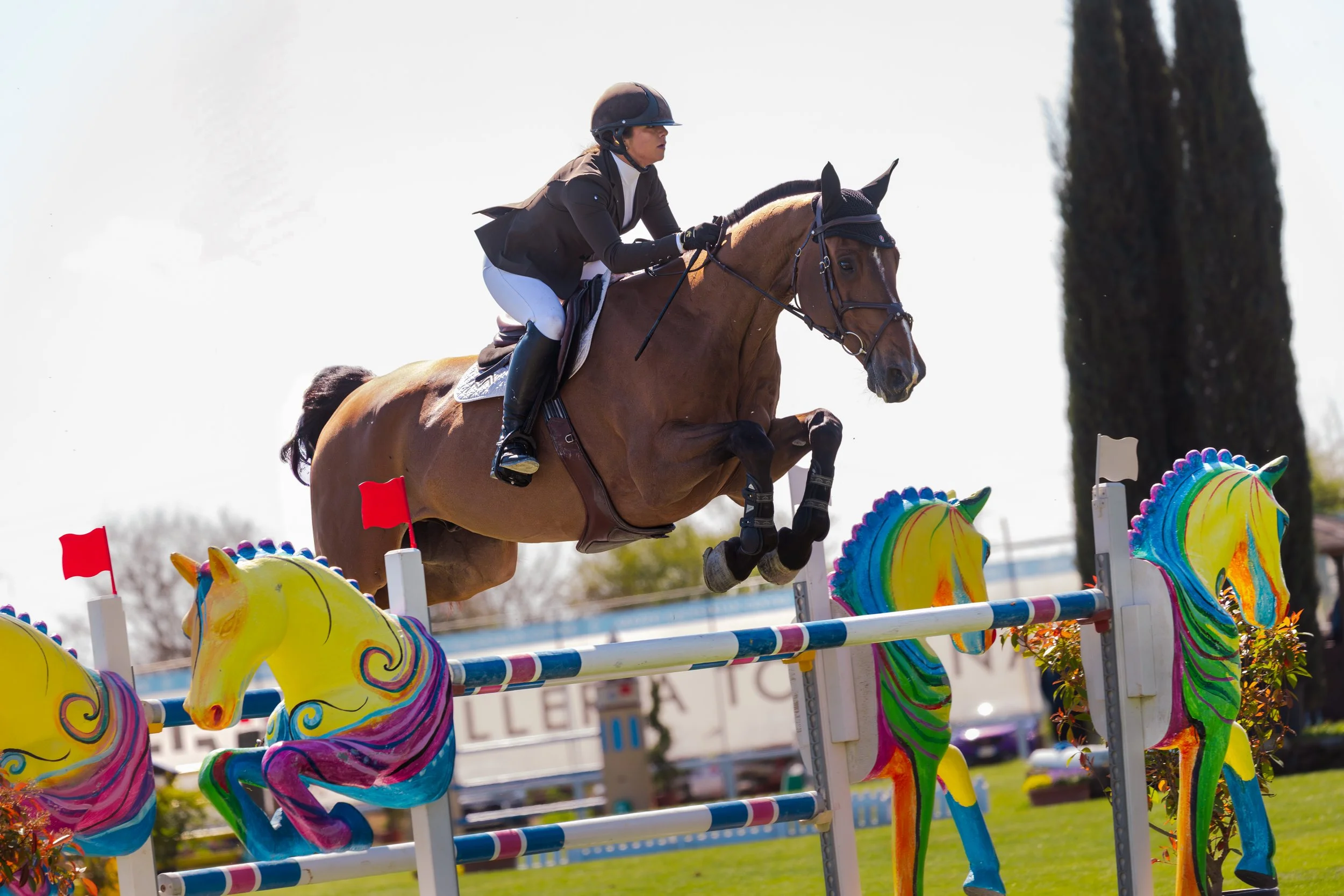
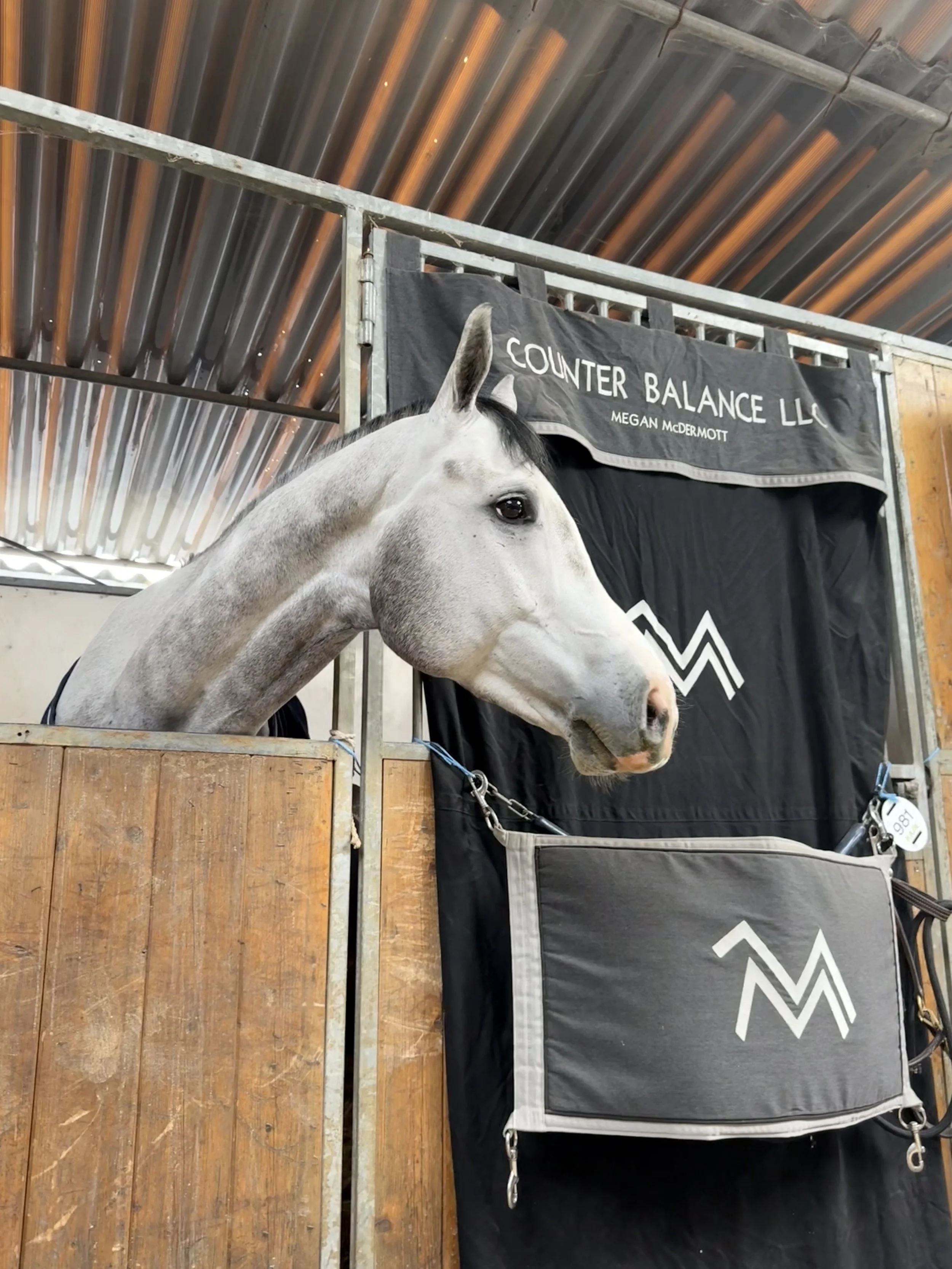
For context, in Europe, there are simply more horses per capita. There are more shows in closer distances, class sizes are all bigger relative to the level, and there are more riders with more horses jumping every week. This affects the dynamic of the shows in many ways.
The cost of showing is dramatically less expensive in the EU. To jump a 4* show in Arezzo, Italy, the entry fee for the week including you stall is €600 (approx $700), whereas a 4* entry at Old Salem in NY is $4,000. That’s staggering! But it’s a double-edged sword because…
Prize money is dramatically less in the EU. A 1.50m 3* Grand Prix in the USA will never be below $120,000 in prize money, where in EU a 1.50m 3* Grand Prix offers normally only €56,000 (approx $66,000) in prize money. So in the USA you can jump equal (or sometimes even lower) classes for a much higher financial payoff, compared to in the EU.
The shows are more crowded, and there’s less space to hack, graze, longe, or school your horses. In the states, it’s always possible to school your horses (set a jump or a small exercise, have a lesson, etc.) somewhere at the show when you’re not showing. In the EU this seems uncommon and often impossible given lack of designated non-showing schooling areas with jumps available.
Longer days… the shows in Europe, since they generally accommodate a larger number of horses and riders, seem to end much later in the day. The US culture is more focused on starting early and finishing early with shows aiming to wrap up by 4pm when possible. In the EU, on a regular day of showing, we found it common to be jumping until 6pm and this seemed relatively expected. No one was horrified or complaining like they would be in the States!
The number of entries per class seems to be bigger in the EU at a regular mid-size FEI show. In the USA, it’s common to simply have to complete a round to qualify to jump a Grand Prix, whereas in the EU at a regular mid-sized FEI show, you will have to place well in one of the designated qualifier classes to qualify to jump a Grand Prix, which puts a bit more pressure on the week as a whole. (The 4* shows I jumped in Arezzo, ITA, you actually had to qualify to jump the qualifier class for the Grand Prix (only 100 entries were allowed for the qualifier, and only the top 40 of that class qualified for the GP. And separately, you had to qualify independently to jump either of the regular 1.45m ranking classes. So everything felt very high stakes.)
Schooling areas- in the USA, when you’re warming up for a class, each rider gets their own jump that they use to set whatever they desire from their first small vertical to their last big oxer, and anything in between. It’s a highly customizable experience. At the European shows a schooling area will have one designated vertical and one or two designated oxers, and multiple riders will rotate using the same fences at the same time, which makes it much more difficult to set a specific type of jump, and more difficult to time your warm-up to finish exactly when you want to walk up to the ring.
Behavior - Horses in the USA seem to me overall better behaved. It might have something to do with the more spacious venues and relaxed environment, but I feel that there are more “rogue” animals competing in the EU. My theory is that so many more horses are born and raised in the EU than in the USA, the European horse culture is more tolerant of a wider variety of horse behaviors; whereas the majority of horses in the USA are imported from Europe, and the naughtier horses simply don’t get picked to make the flight over. I saw many horses acting up both in and outside of the show ring over the winter, and I would repeatedly think that in the USA this horse would’t be brought to the show at all, the behavior would have to be sorted first, before an American would compete this horse. (Not because Americans are unable to handle rough horses, but because for a horse to be commercially salable in the USA it can’t be acting out in public.)
National and FEI shows are separate. There may be some exceptions to this, but in general, if a show is FEI, it’s entirely FEI. Every class from 1.0m to 1.60m - including ponies- is international and requiring and FEI passport, registration, quarantine, and temperature tracking. In the states essentially all shows have national classes (1.0m - 1.50m) and then the FEI horses are quarantined at the same show separately, and in general, only 1.40m+ classes are included in the FEI divisions. It’s convenient that in the EU if you have a mix of higher and lower level horses at one event, they can be stabled together. However, in the USA, having your top horses in FEI and your developing or amateur level horses in the national divisions allows for the non-FEI horses to compete on anti-inflammatories, ship in and out of the show at will, and avoid the FEI paperwork and temperature tracking, which can be a nuisance. (Also notable, there are no hunters or equitation in Europe!)
Footing maintenance is a bit different in Europe. The shows I went to all had good quality footing, but when they drag the arena, it’s like a quick buzz around the track of the course, and that’s it- often leaving hoof prints leading to and from the jumps. In the USA, where the footing is also generally great quality, the ring maintenance takes longer and is much more thorough, covering normally every inch of the arena and really resetting the ground, rather than just glossing over the more used parts of the track.
Shipping and housing are most often combined in EU - it’s overwhelmingly the norm for riders/stables to have a large lorry (which ships 5-7 horses) and includes living quarters, so when you arrive to the show, you bring your own housing with you. This is super convenient, especially for grooms, who don’t have to commute from a hotel to the show. In the USA, some farms will bring campers to the shows for onsite housing, but they’re generally separate from the trailer and require their own driver etc, and it’s not the overwhelming norm.

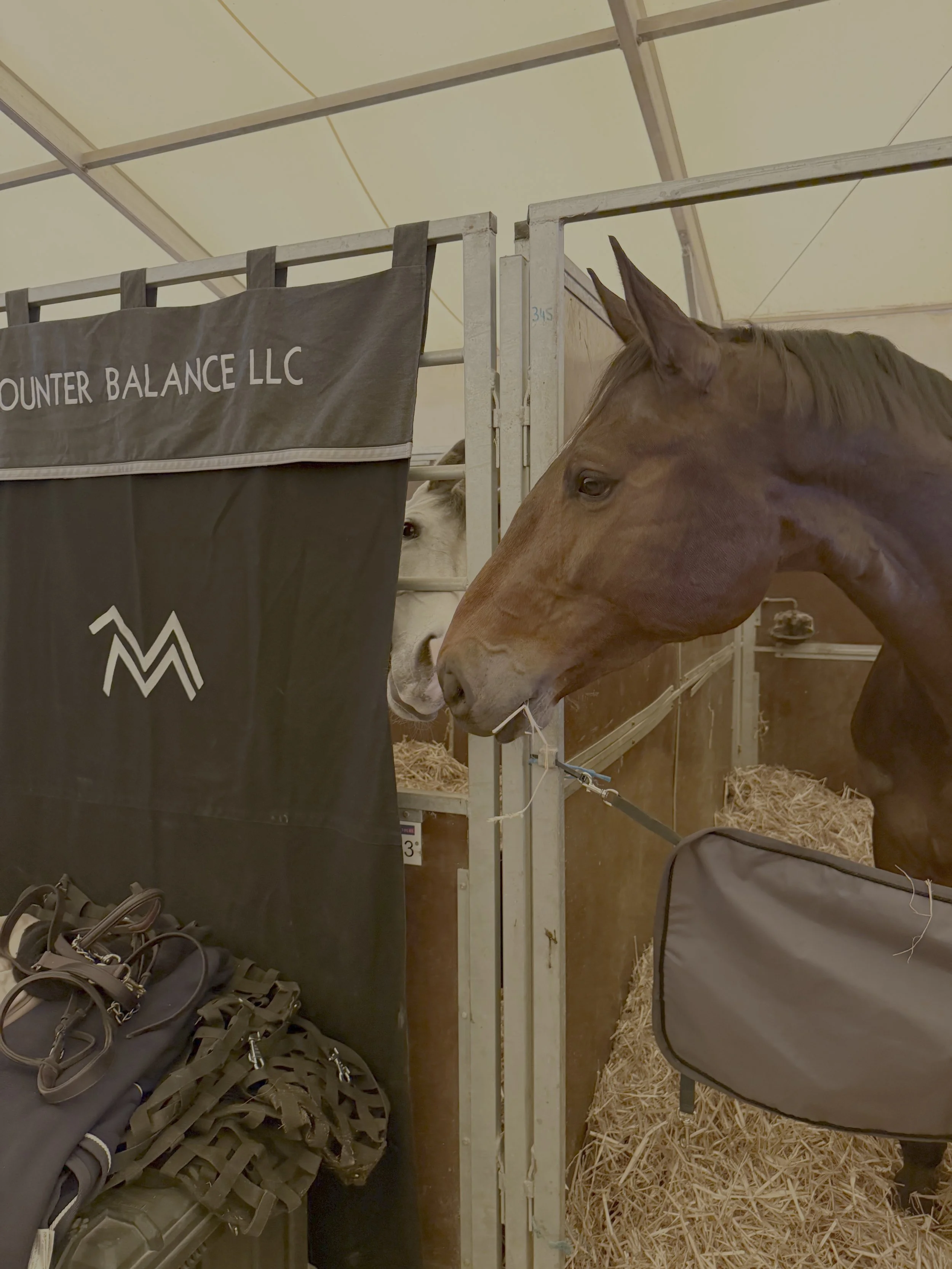
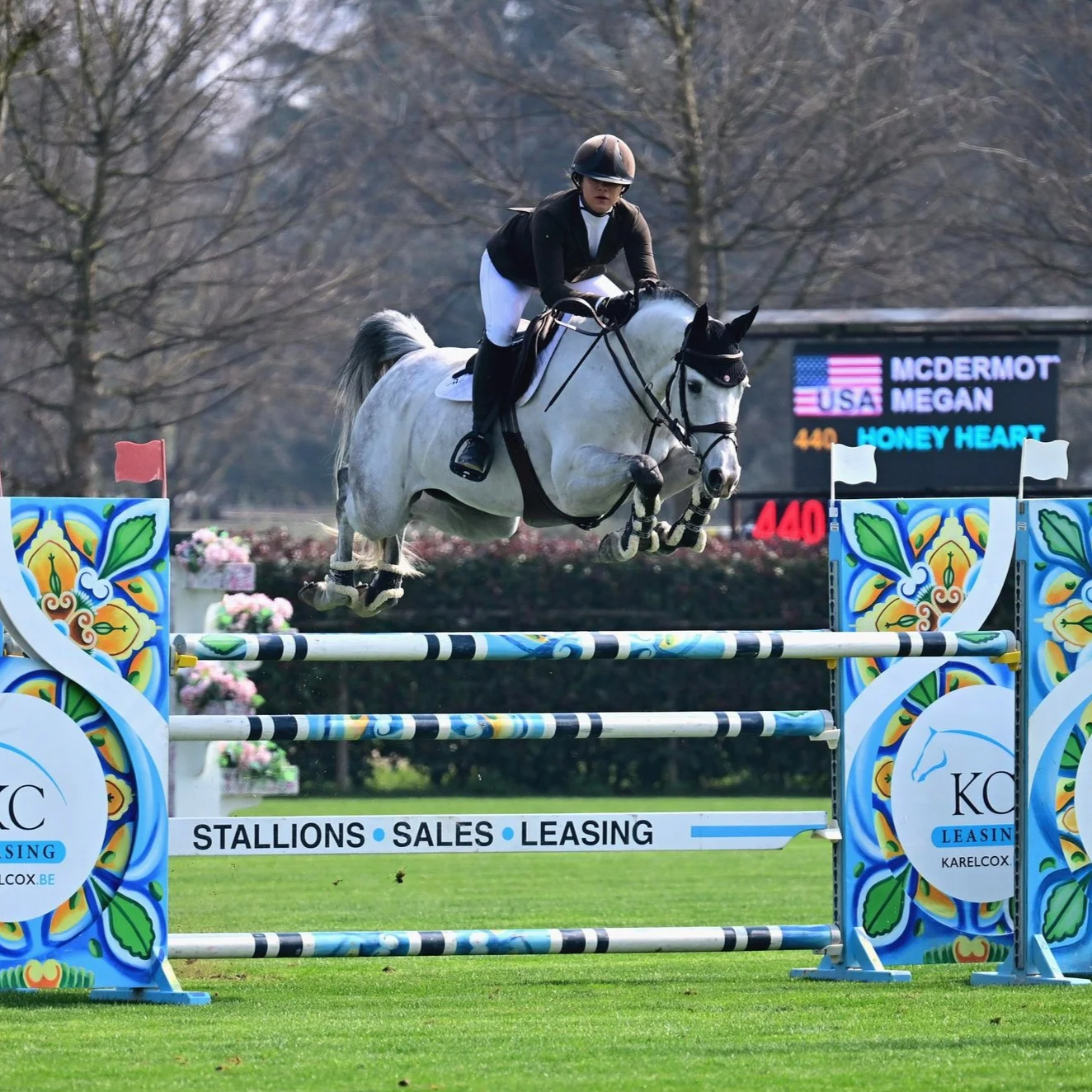
My Personal Takeaways Re Showing:
For gaining maximum experience in the most cost-effective way, Europe is the best place to be. There are more shows in closer distances, the training shows are abundant and very inexpensive, and even the bigger shows and high level jumping is overwhelmingly more affordable. For less experienced horses, the shows are a bit more hectic: you’ll probably jump at different times of day, in more diverse weather conditions, and with less of an air of perfectionism around you. Most of the time, this will help the horses to develop resiliency and to be calm and comfortable in a wider variety of conditions, which in the long run is healthiest for them.
If you have a competitive horse that can win either at the Grand Prix level or at the top of an amateur division, the USA is a better buy. In the USA, even though the show fees are dramatically increased, the payoff if you win is also dramatically increased. While you can spend less money in Europe, you can profit more in the States. Not to mention that for the most part, you’ll find a smaller number of entries, so the odds are in your favor to win comparatively. Also, if you have a “special” horse that requires a specific type of pre-show training, you have more freedom to prepare at most shows in the USA.
This is entirely subjective and definitely not going to be everyone’s experience, but I found showing in the EU to be a bit more serious and a little less fun. It’s easy for me to feel more at home in the states where I have friends to chat to and keep up with - and in Europe, I was lucky if i knew one person at any given show. But the sport itself felt a bit lonelier and more like a job for the riders. In the states, if you show up as a new, fresh face from another country, tons of people are going to talk to you, ask you questions, and want to know your story. This wasn’t my experience as a foreigner in the EU (although maybe people just simply found me uninteresting!). I found Europe to be less social, more workmanlike. I didn’t witness much banter between the riders or many “LOL” reactions to hard moments. In many ways, I appreciate the seriousness, but as an extremely outgoing and self-proclaimed hilarious person, it did feel a little isolating.
There are a lot of benefits to both cultures, and still a lot more for me to learn and experience in the future which may change my perspective. I will gladly report back after Showing in Europe, Take 2 (coming soon)! For now, I’m looking forward to being back stateside for a bit and resuming my usual comedy act at the horse shows.