Is AI Coming For Your Job In Horses?
AI and Sporthorses:
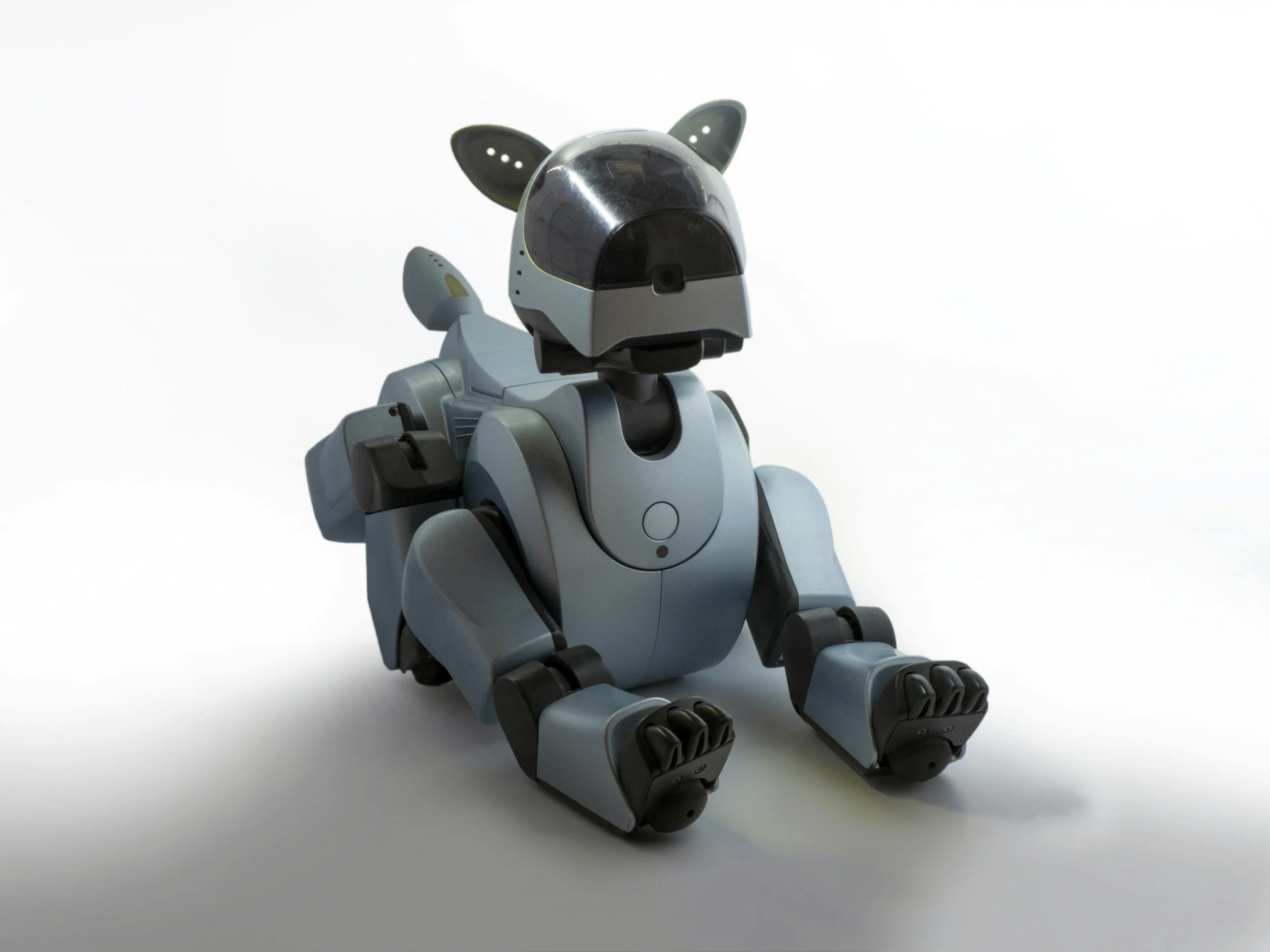
The more digital out world becomes, the happier I am to work in the horse world. Horses afford us connection, physical exertion, an outdoor lifestyle, and serious job security as AI (Artificial Intelligence) is inching us towards the robot world-takeover. While it’s unlikely that machinery will eventually replace horses in horse sports, it’s plausible that the sport horses, like us, will simply become reliant on digital technology.
There are a few ways that AI could simplify barn chores - the obvious ideas being robotic stall cleaners, automatic jump setters, or the Roomba-usque footing groomer that’s already launched in Europe. There are also riders consulting ChatGPT on riding and developing programs for their horses, so I suppose AI might be a threat to trainers eventually too… But I believe the real way that AI will impact on top sport is going to be in data tracking.
I know a professor of physical therapy, let’s can him Dan, who has been spending the last years logging his own essays, lectures, and video tutorials into an AI platform that is now able to effectively think as him. It’s able to answer questions, assess posture, moment, pain patterns, and develop treatment plans. Even more interestingly, it’s started to find patterns and constants in Dan’s research and methodology that he wasn’t aware of. So I got to wondering if this kind of technology could affect out sport. What intrigues me is that we don’t know what we don’t know.
Despite being a very technical and cerebral sport, in show jumping, we actually don’t know all that much about what works and why. Most of the widely accepted “facts” in the sport are based on anecdotal evidence. There’s a standard for what is a “good” body position to help the horse jump clear, but there are tons of outliers - many riders have an unconventional style and maintain extreme success. There are standard protocols for fitness, flatwork, what tack to use and how to prepare for competition, but most of us implement totally unique programs. With no clear line between regimen and outcome, the industry revolves around educated guesswork. However, with the proper data tracking, AI could find correlation that humans couldn’t alone.
In 2020 I started tracking my faults on a spreadsheet to try and track patterns for: which horse would have which rail with which limb, at which point in the course, at which height, in which location, etc. There were so many factors to log - the tracking alone was incredibly tedious, and trying to build an algorithm to process the results was even more difficult. Needless to say, it didn’t yield any breakthroughs, and ultimately wasn’t worth the time spent.
Now, a basic AI tracking program could analyze videos, log data, and spit out insight that answers questions we didn’t even know to ask. We could input information about horses’ history, health, training, and become more accurately predictive with the results of our programs.
Results tracking is another obvious target. Especially with the recent attempts to popularize betting on showjumping, accurate results predictions could be revolutionary. It’s already happening in other sports, and could be the next breakthrough in the equestrian space.
Showjumping now is all finesse, increasingly technical courses with lighter materials and more sensitive horses - it used to be a sport of inches, now it’s a sport of millimeters. Theres a limit to how hard you can train the horses, so riders need to figure out how precisely we can train. In the end, I see this as a way that we can better preserve our horses, and prepare them more fairly and accurately.
AI could also have a role in predicting the future success of young horses. There are a lot of conflicting ideas about how to judge a young horse’s potential - some people say a horse is either careful or not from the jump, others argue that horses develop quality at age 6 or 7. This is the sort of thing AI could get some definitive information on.
Breeding is another obvious topic to investigate - the industry is obsessed with good breeding, and it’s also a notorious crapshoot. These days linage is well documented and AI could determine trends we’re missing, or reveal a lack of trend in some instances.
Finally, and most beneficial to the horses, AI could afford us an opportunity to revolutionize sport horse medicine. If enough horse owners were to submit full veterinary records for analysis by an AI program, who knows what trends we could uncover, how we could streamline rehab protocols, improve treatment plans, and even prevent future injuries.
Unfortunately, I’m merely a horse girl with an art degree, but if I were someone who was able to harness the power of AI, this is where I would start! If you are reading this and you’re friendly with any high powered robots, send me an e-mail, I’d love to talk more!
Written by
Megan McDermott
January 3, 2026